
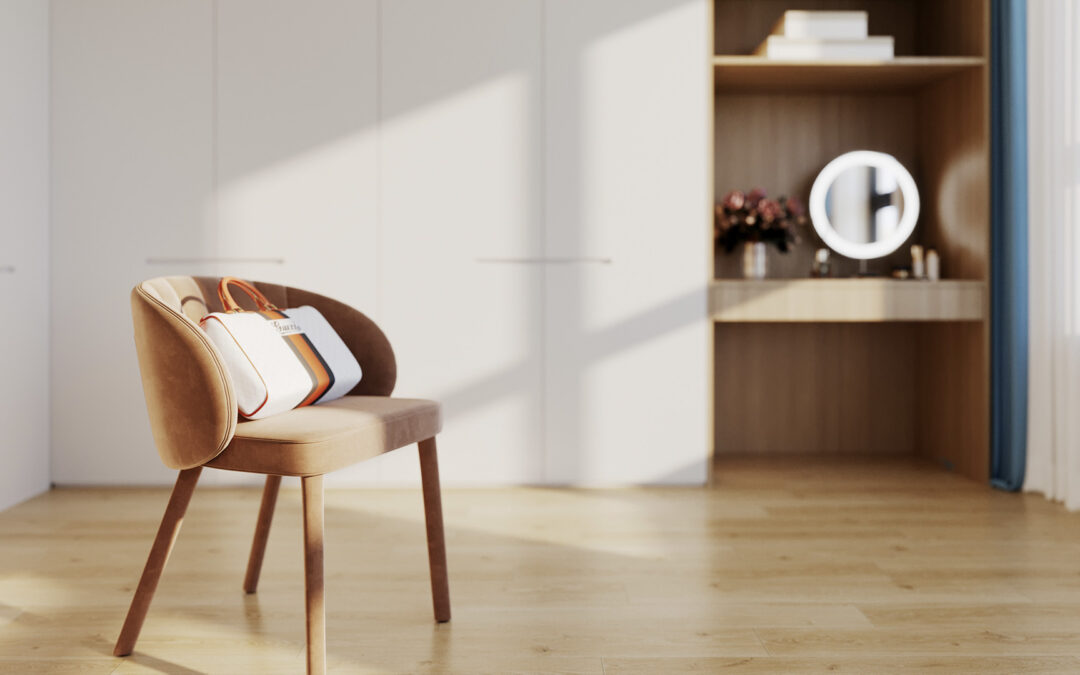
Nordic decoration, also known as Scandinavian style, has gained impressive popularity in recent years, and it’s easy to see why. This style of decoration combines elegance, functionality, and simplicity, creating cosy and light-filled spaces. In this article, we will explore the history and origin of Nordic style, its basic principles, and why it has become such a cherished trend worldwide.
Basic Principles of Nordic Style
Nordic decoration is based on several fundamental principles that distinguish it from other design styles. Here are the most important ones:
- Simplicity and Minimalism: The maxim “less is more” is key in Nordic decoration. Spaces are kept clear and tidy, avoiding excessive decoration and unnecessary furniture. This not only creates a calm and relaxing environment but also facilitates the functionality of the space.
- Natural Light: Making the most of natural light is essential. Large windows without heavy curtains allow light to flow freely, illuminating every corner of the home. Light colours on walls and furniture reflect the light, making spaces feel even more spacious and bright.
- Natural Materials: The use of natural materials such as wood, leather, linen, and wool is a distinctive feature of Nordic style. These materials add warmth and texture, creating a cosy and comfortable environment. Wood, in particular, is used in light tones to maintain the brightness of the space.
- Functionality: Every element in a Nordic-style home has a clear function. Furniture is not only aesthetically pleasing but also practical and useful. This includes smart storage solutions that help maintain order and simplicity.
- Neutral Colour Palette: The predominant colours in Nordic decoration are neutrals such as white, grey, and earth tones. These colours provide a sense of calm and serenity, as well as amplifying natural light. Touches of colour are generally added through textiles or small decorative accessories.
History and Origin of Nordic Decoration
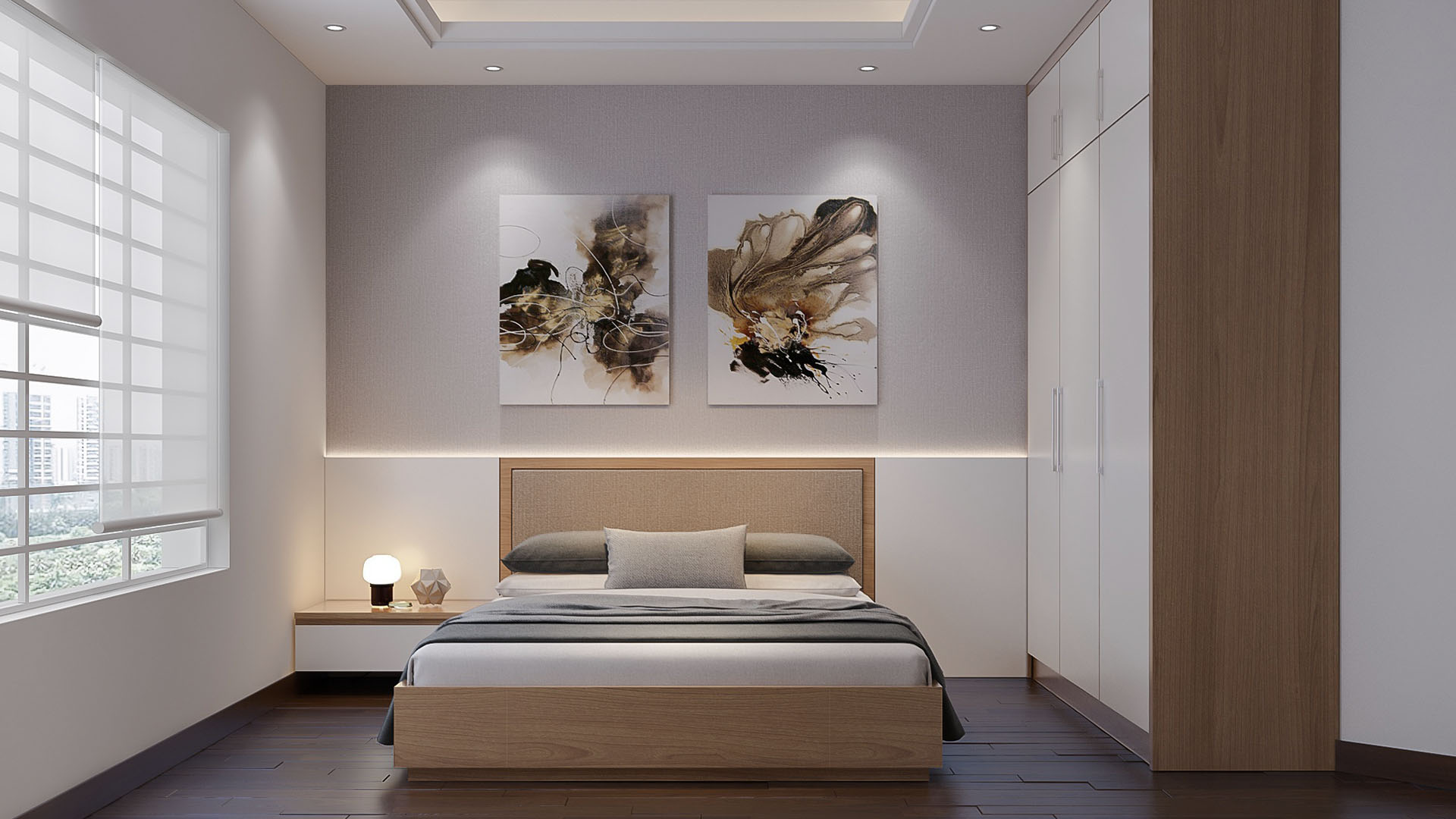
Nordic decoration has its roots in the Scandinavian countries: Sweden, Denmark, Norway, Finland, and Iceland. It emerged in the early 20th century, but didn’t really stand out until the 1950s. This style developed in response to the region’s long and dark winters, where natural light is scarce. Scandinavian designers sought to create interiors that were bright, warm, and welcoming to counteract the exterior environment.
Nordic design was influenced by the modernist movement and functionalism, prioritising utility and simplicity in its pieces. The incorporation of natural materials, such as wood and linen, along with a neutral colour palette, has been a constant feature of the style. Designers like Alvar Aalto and Arne Jacobsen are iconic figures of this movement, and their creations continue to inspire decorators today.
Why Is It So Popular Today?
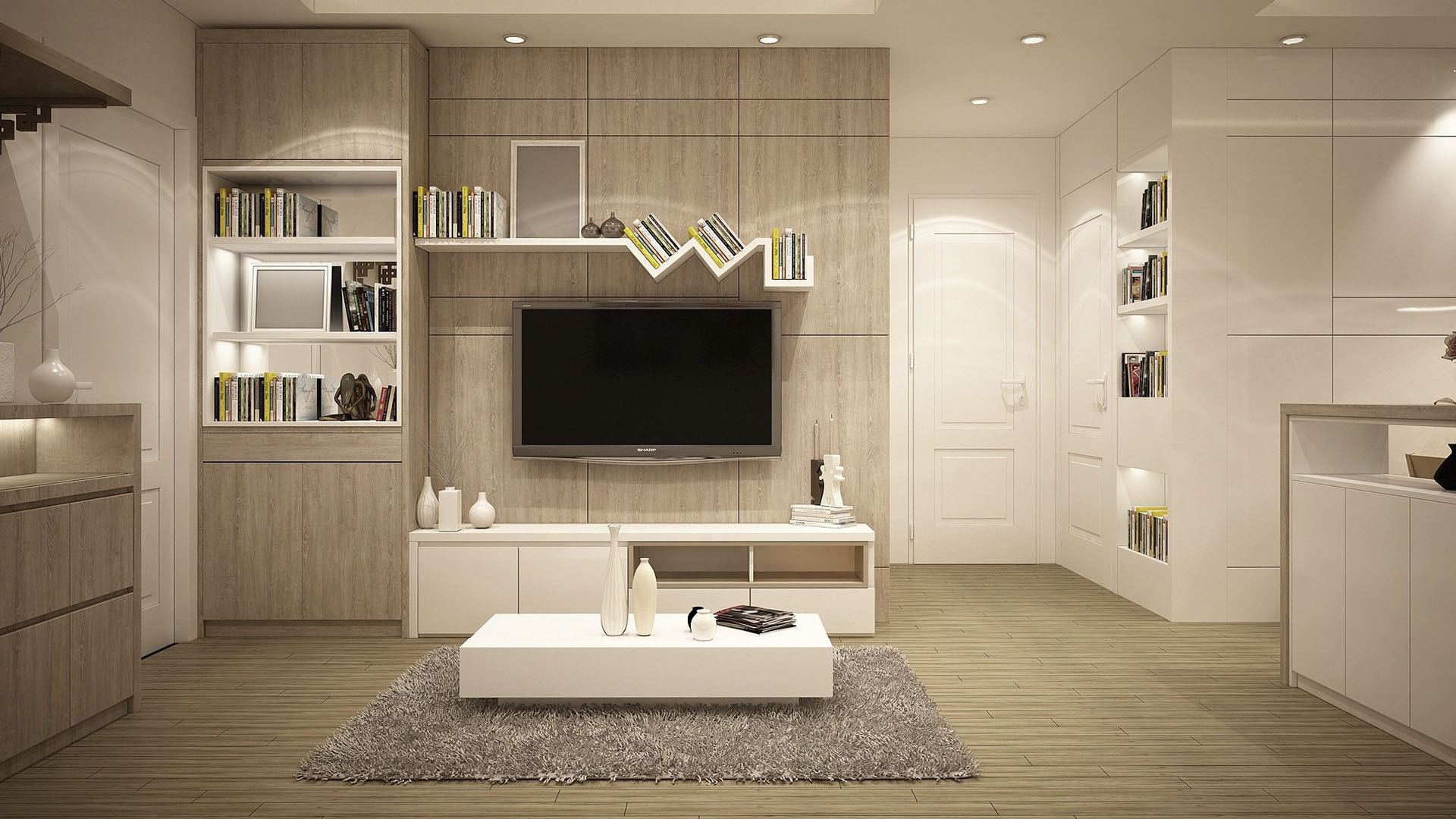
The popularity of Nordic decoration has grown exponentially in recent years, and it’s easy to see why. In an increasingly chaotic world, people seek to create spaces of peace and tranquillity in their homes, and Nordic style offers just that. The combination of simplicity, functionality, and natural beauty responds to the modern need for balance and serenity.
Moreover, the growing concern for sustainability has led many to adopt the Nordic style. The use of natural materials and the durability of the furniture make this style an eco-friendly and conscious choice.
At Muebles Muñoz, a furniture store in Navalcarnero, Madrid, we are fans of Nordic furniture, which is why we offer a wide selection of modern furniture near Madrid that perfectly fits the principles of Nordic decoration. From elegant sofas to innovative storage solutions, our collection is designed to transform your home into a haven of style and comfort.
With Nordic decoration from Muebles Muñoz, you’ll not only achieve a more beautiful space but also improve your quality of life by providing a harmonious and organised environment. Visit us and discover how we can help you create the home of your dreams with the charm of Scandinavian style.